By: Pamela Tenaerts, Chief Medical Officer, Medical and Research, and Melissa Dunn, Associate Project Manager, Medical and Research 

In collaboration with and facilitated by the Tufts Center for the Study of Drug Development (Tufts CSDD), Medable launched the Innovation Evidence Workshop series.  The inaugural, invitation-only workshop last November, brought leaders from 20 pharmaceutical, biotech, and CRO organizations together in Boston, with representation from the U.S. Food and Drug Administration, Harvard MRCT Center, Tufts CSDD, and Medable

With more sessions ahead, we wanted to provide an overview of the workshop and offer a chance to be part of an upcoming session. 

Sign up to be considered for a future Innovation Evidence Workshop

Trials with decentralized elements have moved past the “pilot” phase. The question is no longer whether we can operationalize decentralized trial components, it's whether we’re doing it thoughtfully at the pace patients deserve. Our industry is ready to optimize the elements for the trial based on available evidence.  

“We now have strong evidence that we’re unveiling and discussing in these workshops demonstrating more widespread decentralized and direct-to-patient clinical trial components,”   - Ken Getz, Executive Director at Tufts CSDD

Watch the workshop story

What happened at the workshop

At the workshop, Tufts shared empirical findings connecting decentralized trial components with measurable operational and participant benefits, including:

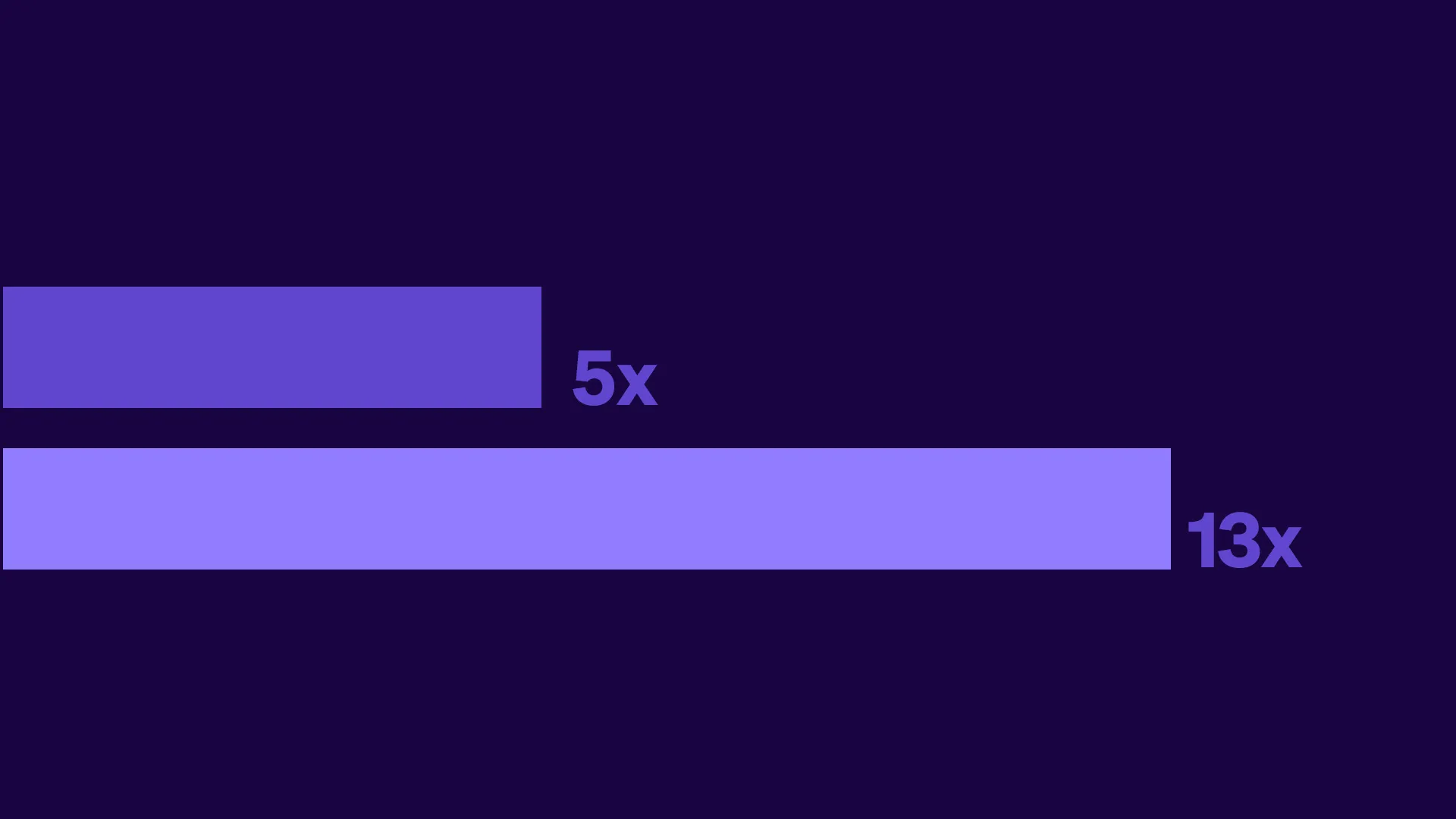
  • Up to 40% shorter enrollment duration
  • Up to 3x higher enrollment numbers at research sites using DCT elements
  • Improved participant access, convenience, and satisfaction

Shorter enrollment timelines can reduce operational strain and keep teams focused on quality rather than constantly chase recruitment. Teams that harness these gains see efficiencies accumulate, layer by layer. 

Many organizations already have tools, frameworks, and internal preferences. We can now turn options into repeatable operating models and then continuously measure what works, where, and why.

The thesis of Innovation Evidence Workshops in one sentence is: prove it, implement it, measure it, improve it together.

At major conferences, we often celebrate wins that are important, but incomplete. The hard work lives in the obstacles: site burden, workflow fragmentation, inconsistent adoption, and the reality that one-size-fits-all decentralization doesn’t exist.

Innovation Evidence Workshops are designed to give senior research and operations leaders a focused environment to:

  1. Review emerging evidence on DCT adoption and impact
  2. Pressure-test real-world best practices
  3. Identify what is truly scalable (and what still isn’t)
  4. Align on how we should measure success going forward

The goal isn’t to push the use of decentralized elements. Instead, it’s to make clinical research work better for participants, sites, and operations teams using evidence, not assumptions

“At this workshop, we formed the partnerships required to move the field forward. It was a refreshing, valuable change.” - Dr. Barbara Bierer, Faculty Director of the MRCT Center at Brigham and Women’s Hospital and Harvard

Sign up to be invited to a future Innovation Evidence Workshop

These sessions are invitation-only and designed for a small group of research and clinical operations leaders to review emerging evidence, compare best practices, and tackle the real operational barriers to scalable DCT adoption.

We review submissions on a rolling basis and reach out when a session aligns with your region, role and areas of focus.

Sign up here to be considered for a future session on March 4th in Washington, DC and London in the fall 

“Meetings like these can help organizations discuss and accelerate thoughtful implementation of available technologies as an industry.” - Dr. Pamela Tenaerts, Chief Medical Officer at Medable and founding member of the PACT Consortium