



Accelerated PI review with human-in-the-loop control
The PI Summary & Review Agent acts as an intelligent assistant that continuously monitors eCOA and Medable-collected participant data and prepares the PI for review and sign-off.

“Regulators expect satisfactory oversight of remotely captured data, which traditionally forced PIs to verify content across multiple reports and systems. Our agent centralizes that effort for eCOA data, summarizing participants' most recent eCOA data, making remote oversight seamless.”
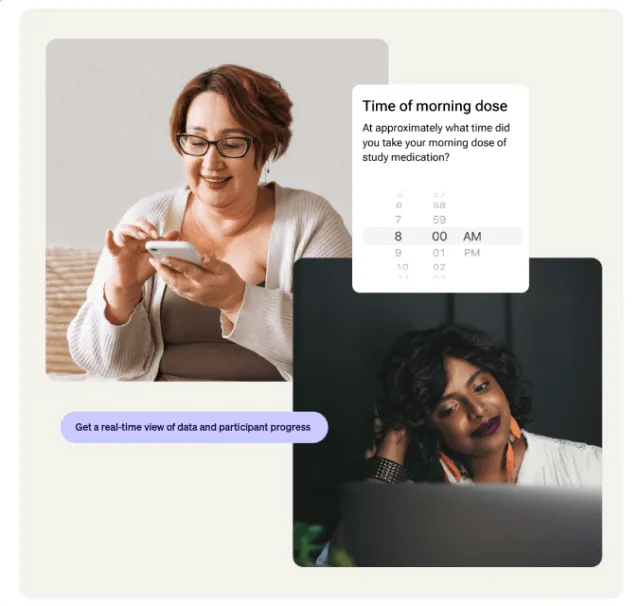
Real-time eCOA data review readiness
Continuously monitor and organize Medable-collected participant eCOA data so PI reviews are always up to date. Step in, see the full picture, and review with complete control.
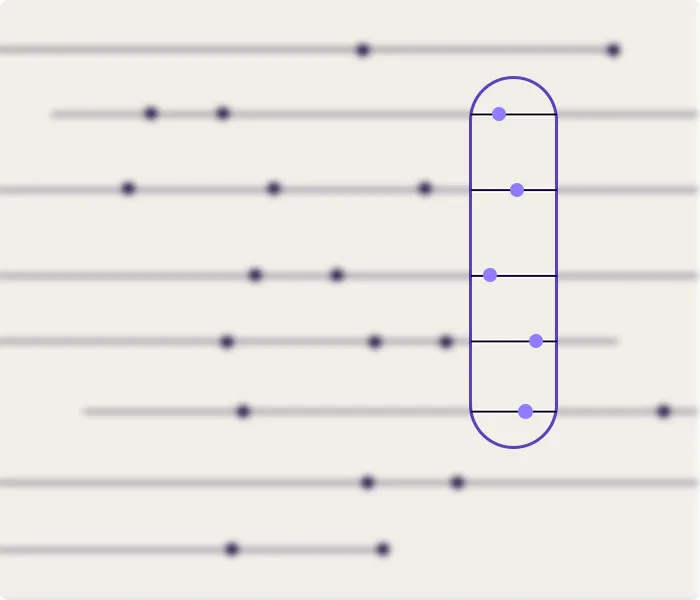
Surfaces underlying data for complete transparency
Summaries backed by full participant data. Review responses, draft changes, and make updates before signing, with a clear view of exactly what was reviewed and when.

eCOA data review without disruption
Review and sign-off happen without blocking site or participant activity. Trials keep moving while review stays on track.
The latest from Knowledge Centers

Ensuring clinical trial agent performance with continuous governance
According to seven different market research organizations, the “Agentic AI in clinical trials market” is expected to grow at a compound annual growth rate (CAGR) of anywhere between 12.5% to 43%. While the estimates obviously vary depending on who you ask, one thing remains crystal clear, agentic AI in clinical trials isn’t slowing down. As sponsors and CROs increasingly implement artificial intelligence, many organizations approaching clinical AI face real anxiety about the clinical trustworthiness of AI.
.jpg)

The key to AI success in clinical development: Trial expertise
What makes a good doctor? Being an expert in modern medicine is table stakes, as no one trusts a doctor who doesn't know the ins and outs of healthcare.
However, as anyone who has encountered a medical professional whose bedside manner left something to be desired, it’s not enough. Research agrees, as studies from all the way back to the 1980s shows that knowledge without communication skills often fails to get patients to adhere to treatments.
The best doctors combine both clinical expertise and genuine bedside manner in order to give patients the best experience.
This framing and duality is exactly what sponsors and contract research organizations (CROs) should keep in mind when searching for clinical trial AI.
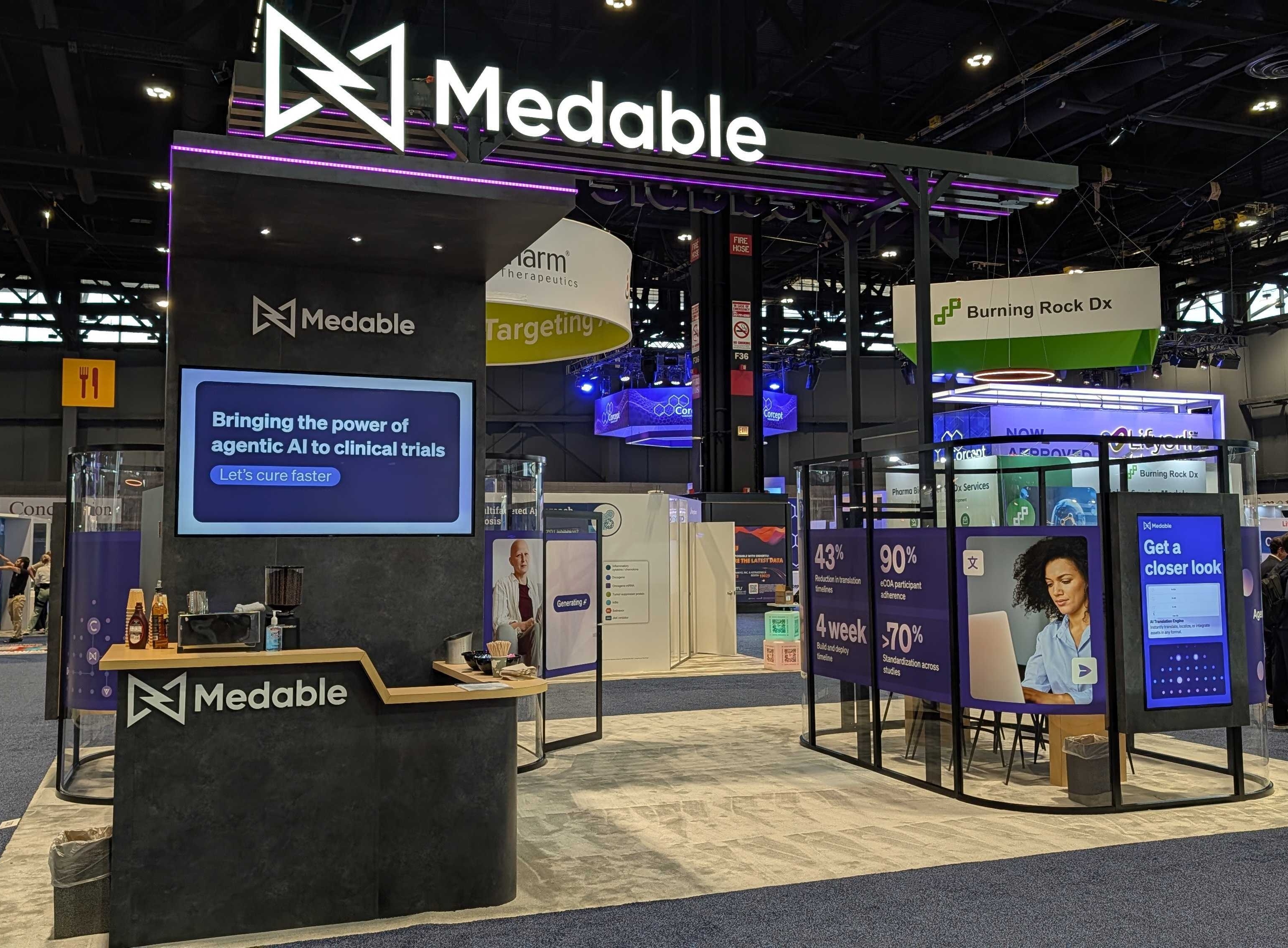
What happened at ASCO 2026
With 44,000+ oncology professionals in attendance, ASCO 2026 may have been the most consequential in recent years. From a standing ovation for pancreatic cancer to the first positive sarcoma trial in history, here's everything that mattered at Chicago's McCormick Place this week.