Let’s ask a trick question.
Do you think your organization’s data is ready for AI, or AI Agents?
Most sponsors and CROs instinctively answer “not yet.” What this really means is that they don’t believe their data isn’t fully centralized, dictionaries aren’t perfectly aligned, and too many systems still operate in parallel. The result is that AI gets parked on the roadmap, waiting for a future state where everything is clean, standardized, and coordinated.
Here’s the twist; waiting for that moment is very thing holding organizations back.
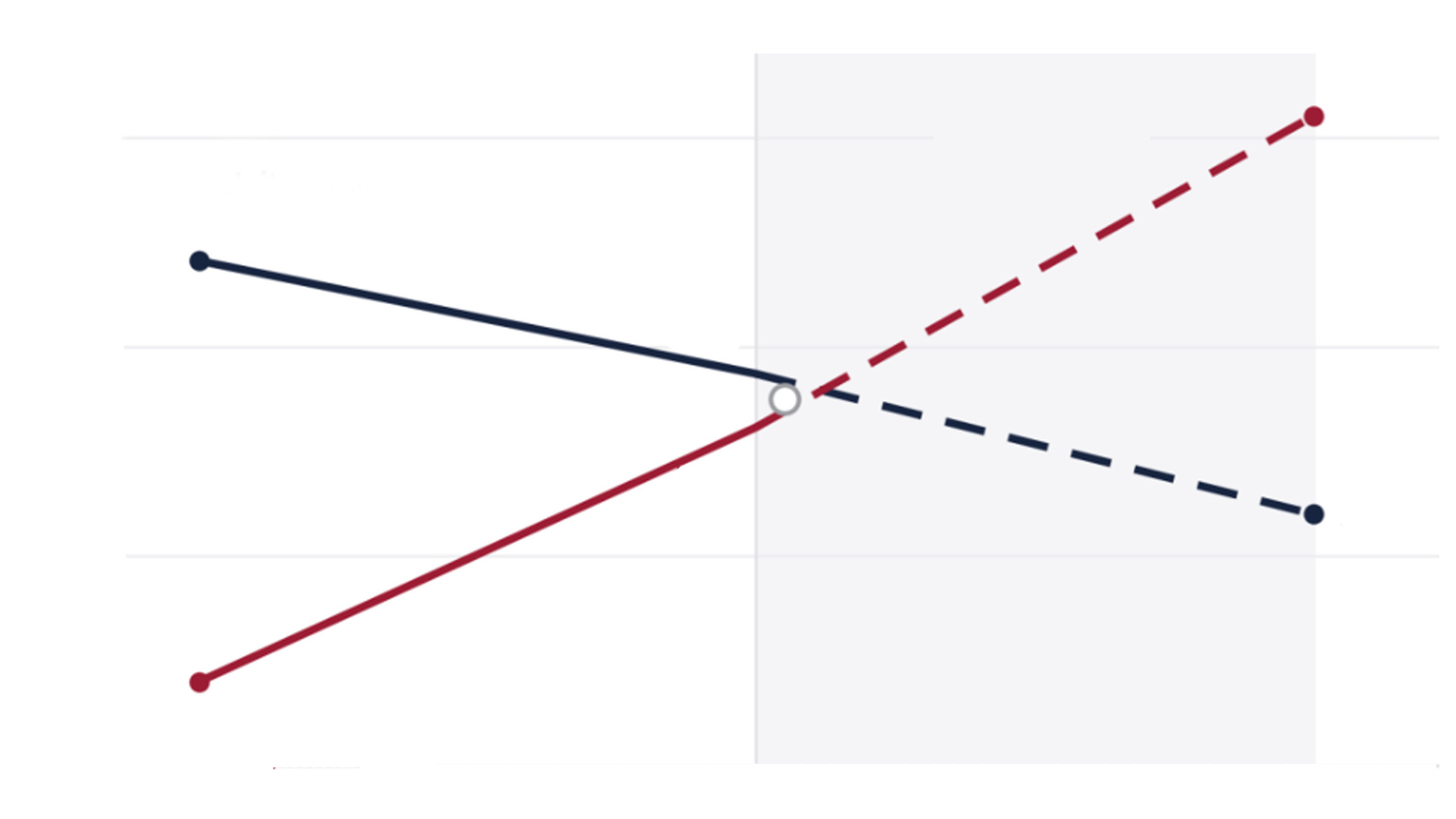
When it comes to implementing agentic AI, the bigger risk right now isn’t imperfect data. Instead, it’s waiting for perfection before acting.
Don’t let perfect be the enemy of progress
For years, organizations have delayed advanced analytics and AI initiatives under the belief that their data “isn’t ready yet.” The assumption is understandable: how can AI work if the underlying data is fragmented, inconsistently structured, or spread across dozens of systems?
But agentic AI fundamentally changes that equation.
You do not need perfectly centralized, fully harmonized data to start generating real value with agents today. In fact, many of the challenges caused by fragmented data are exactly what agentic AI is perfectly placed to solve.
Agentic AI works with the reality of clinical operations
Take a common example: the clinical research associate (CRA) experience.
In many trials, CRAs log into 10, 12, even 13 different systems to understand what’s happening at a site, including EDC, CTMS, eCOA, IRT, labs, safety systems, issue trackers, and more. The data that tells the story of site performance is scattered everywhere.
Before a CRA can act, they must collate the data, interpret what it’s telling them, piece together a coherent narrative, and decide what the next best action is. Only then can they act with conviction, often days or weeks after the ideal time to have intervened. This isn’t just a data problem; it’s a cognitive load problem.
This is where agentic AI excels.
Agents can aggregate, interpret, and surface insights
Agentic AI is well suited to this reality. An agent doesn’t require all data to live in one perfect warehouse. In fact its ability to take action, or to be ‘agentic’, means it is often more efficient to have it connected directly into each system rather than to any centralised data warehouse . It can connect to multiple systems simultaneously, pull relevant signals from each source, analyze and synthesize what’s happening at a site, and report back a clear, actionable summary as well as then performing many of those actions directly into each system.
The agent handles aggregation and interpretation, allowing the CRA to focus on what humans do best, solving problems, building relationships, and taking action in coordination with the site. This works even when data is imperfect. While perfectly coded fields and aligned dictionaries would be ideal, they are not a prerequisite for meaningful value.
Starting now creates a compounding advantage
Organizations that start implementing agentic AI now create a compounding advantage over time. They begin generating operational value immediately by reducing manual effort and cognitive burden. Teams learn how to work alongside agents, understand where they deliver the most impact, and adapt processes accordingly. Change management starts earlier, building familiarity and trust in AI-driven workflows. At the same time, agents naturally surface data gaps, inconsistencies, and friction points, informing smarter and more targeted data improvement efforts.
By the time data is “better” (because it will never be perfect), these organizations are not starting from zero. AI is already embedded. Agents are already part of daily operations. Acceleration becomes much easier.
It’s about the organization, not the data
The question, then, isn’t whether your data is good enough for agentic AI. The real question is whether you’re willing to start where you are and begin learning, iterating, and creating value now.
Agentic AI doesn’t demand a future-state data environment to be useful. It meets organizations in the reality of today’s clinical operations and helps turn fragmented systems into coordinated insight. The sponsors and CROs who recognize this and act on it won’t be waiting to “get ready” for AI in a few years’ time. They’ll already be there.
In a landscape defined by speed, complexity, and constant change, progress doesn’t come from waiting for ideal conditions. It comes from taking the first step. And for agentic AI, that step can start now.